INV779
Patent‑pending
Custody infrastructure
INV779 is a custody protocol for funds, family offices, treasuries, and custodians. It binds ownership, status, and audit history to the asset itself — so a stolen position stays provably stolen, wherever it moves next.

At a glance — protocol spec
The problem
Whoever controls the key controls the asset — anonymously, irreversibly, and without reference to how they got it. Wallets, multisig, and cold storage reduce key risk, but none of them touch the underlying problem: a stolen position and a legitimate one look identical on‑chain.
The protocol
INV779 wraps stored crypto in a programmable custody layer, so ownership, status, and audit history travel with the position itself — not just with whoever currently holds a private key.

Monetary thesis
INV779 grows out of the same research line as BBES$TT: crypto is becoming a monetary infrastructure layer, and high‑value stored assets need a durable identity and audit trail — not just a stronger lock.
The goal is to break the marketability of a compromised position while keeping real‑asset pilots tied to controlled review, external security work, and institutional adoption requirements.
Market thesis
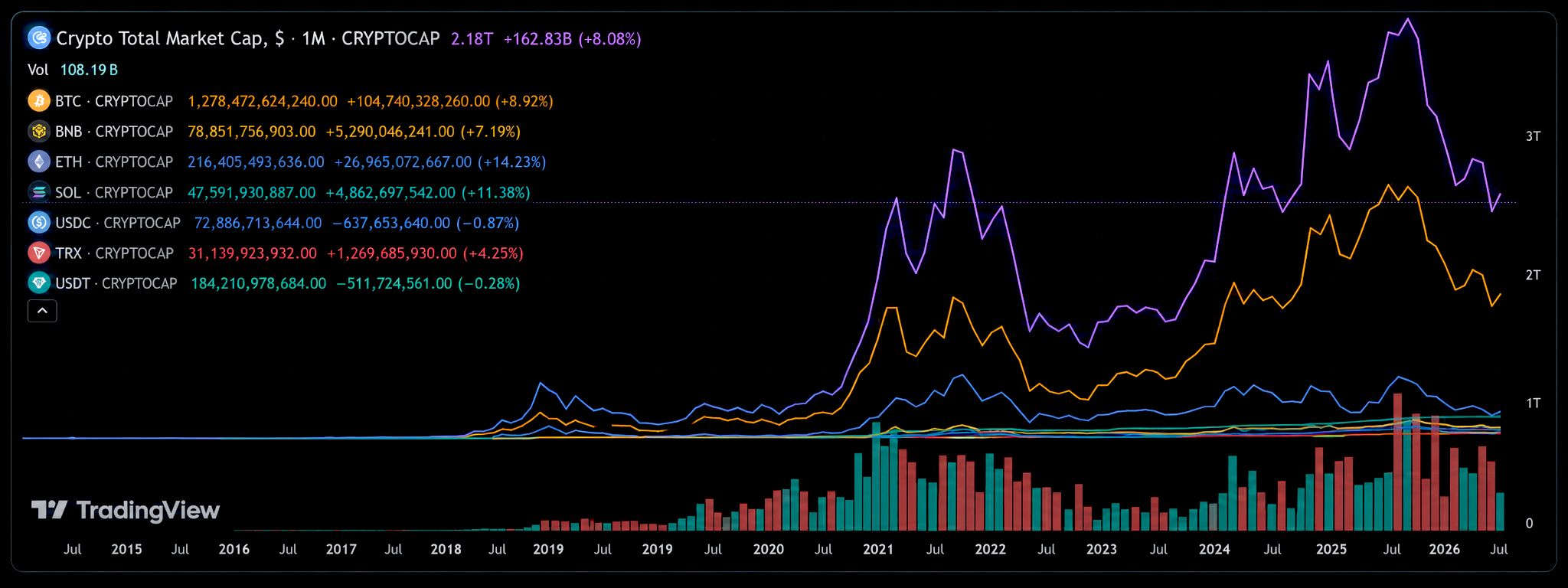
BBES$TT tracks the combined settlement weight of seven core assets — read as infrastructure throughput, the way SWIFT or card‑network volumes are read, rather than as a speculative index.